
|
|
|||||||
| IL-2 Sturmovik: Cliffs of Dover Latest instalment in the acclaimed IL-2 Sturmovik series from award-winning developer Maddox Games. |
 |
|
|
Thread Tools | Display Modes |
|
#1
 09-21-2012, 01:13 PM
|
||||
|
||||
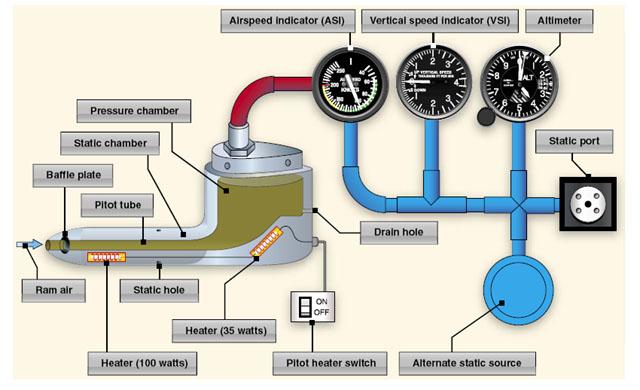
 the climbing rate gauge should have HUGE variations caused by atmosphere
if i were to build a climbing rate gauge i would do it base on vertical angle of heading and air speed
but as this was made by science people i bet they linked the altitude gauge based on atmospheric pressure and its gradient be the climbing rate but now think that when your flying your going from high to low pressure though you dont change altitude so my question: shouldnt realistic altitude gauges oscillate A LOT both climbing rate and height?
__________________
 2.4ghz dual core cpu 2.4ghz dual core cpu3gb ram ASUS Radeon EAH4650 DI - 1 GB GDDR2 I PREFER TO LOVE WITHOUT BEING LOVED THAT NOT LOVE AT ALL 
|
|
#2
09-21-2012, 01:29 PM
|
|||
|
|||
|
Try the manual for the original to see how it works
http://www.mediafire.com/download.php?awc18q83pf6w8q0
|
|
#3
09-21-2012, 01:43 PM
|
||||
|
||||
|
thanks
 from your link: The K.B.B. Rate of Climb Indicator Mark IB* is a simple means of measuring the rate of change of atmospheric pressure due to change in altitude of the aircraft in which the instrument is fitted as i predicted this scienpriests went for the obvious path do you know what turbulences are? sub and overpresures, they happen all the time so the climbing indicator goes crazy the elemental way to fix this flaw is to link airspeed and angle of climb to have a precise climbing rate reading edit: its an edicated guess wflying really low the altitude gauge can even read negative :O
__________________
2.4ghz dual core cpu3gb ram ASUS Radeon EAH4650 DI - 1 GB GDDR2 I PREFER TO LOVE WITHOUT BEING LOVED THAT NOT LOVE AT ALL Last edited by raaaid; 09-21-2012 at 01:46 PM.
|
|
#4
09-21-2012, 01:48 PM
|
|||
|
|||
|
Absolutely,
except perhaps if IAS <>TAS and the air itself does move up and down very fast (let's say we could call this phenomenon.... wind?) 
__________________
Details: Asus P5BE Plus / Q9650, 3.0 GHz ---- Win 7 - 64 / 4 GB RAM ---- ATI 4890, 1 GB VRAM
|
|
#5
09-21-2012, 01:55 PM
|
||||
|
||||
|
oh but the vertical wind maybe a maxium of 20 kph while the horizoantal whcih measures the plane +-400 so the error is much less than with the flawed transformed barometer
__________________
2.4ghz dual core cpu3gb ram ASUS Radeon EAH4650 DI - 1 GB GDDR2 I PREFER TO LOVE WITHOUT BEING LOVED THAT NOT LOVE AT ALL
|
|
#6
09-21-2012, 02:07 PM
|
|||
|
|||
|
You could use your radar altimeter? Might be more accurate but would be dependant on the terrain beneath you, or a GPS, or inertal navigation system, or one of those laser gyroscope dodads. It would just be a data gathering and programming issue.
Hmmmm! What did they teach in the BAK syllabus? "High to low lookout below?"
|
|
#8
09-21-2012, 02:31 PM
|
||||
|
||||
|
well but at least you agree with me that altitude needles in the game should oscilate and the climbing rate one a lot
__________________
2.4ghz dual core cpu3gb ram ASUS Radeon EAH4650 DI - 1 GB GDDR2 I PREFER TO LOVE WITHOUT BEING LOVED THAT NOT LOVE AT ALL
|
|
#9
09-21-2012, 02:41 PM
|
|||
|
|||
|
Was there not German method where the needles didnt jump around? - electrical gauges or something? In clod V1 the red sides needle used to jump around but the reds whined till it was fixed. Even though as you say it was realistic........... So it was there but they took it out because a vocal part of the red side didnt want that realistic factor.
|
|
#10
09-21-2012, 03:28 PM
|
||||
|
||||
|
Quote:
Quote:
because to get a "highly acurate" verical angle of climb/descent you need an INS or a pretty good attitude indicator and they did not have neither of these back then on the other hand your "inquietudes científicas" generate pretty interesting posts
__________________
Intel i7-2600K // Asus Maximus IV Extreme Rev3 // 2xGTX580-3GB (SLI'ed when able) // 16 GB DDR3 // SSD // HDD WD 10K // Win7 x64 // LG monitor 24´´ 1920x1200 res
|
|
| Thread Tools | |
| Display Modes | |
|
|







 Linear Mode

