
|
|
#1
 03-13-2012, 01:27 AM
|
|||
|
|||
 What the heck is going on on the sun?
We had quite an active period this last days, but this is something I've never seen before:
http://sdo.gsfc.nasa.gov/data/  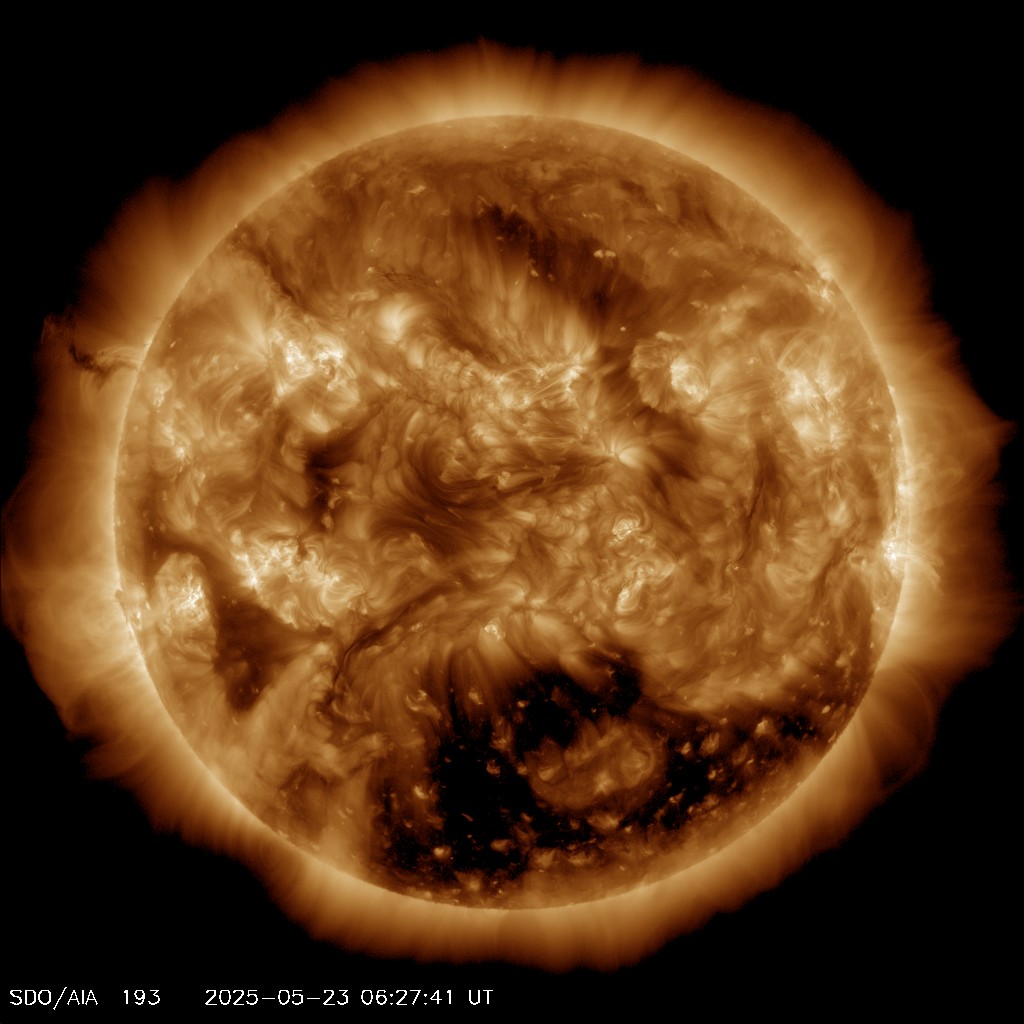 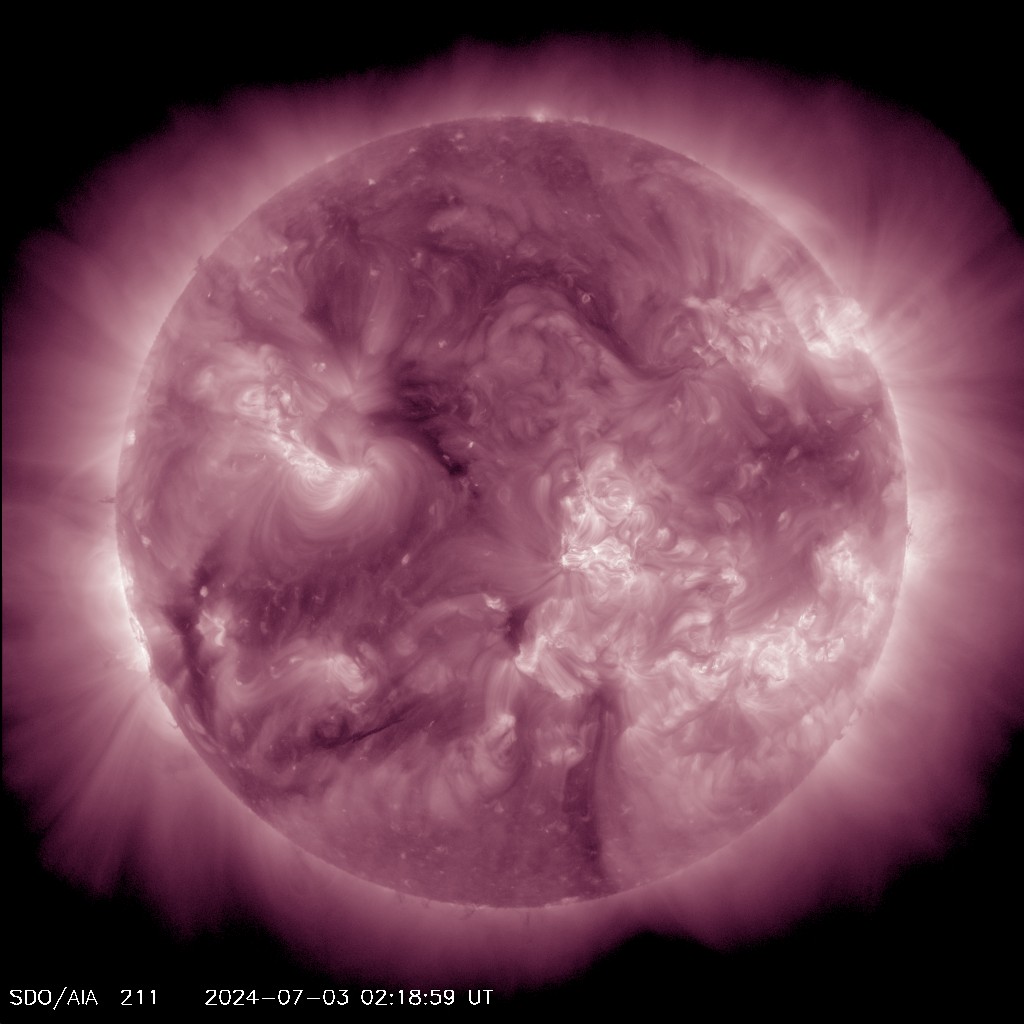 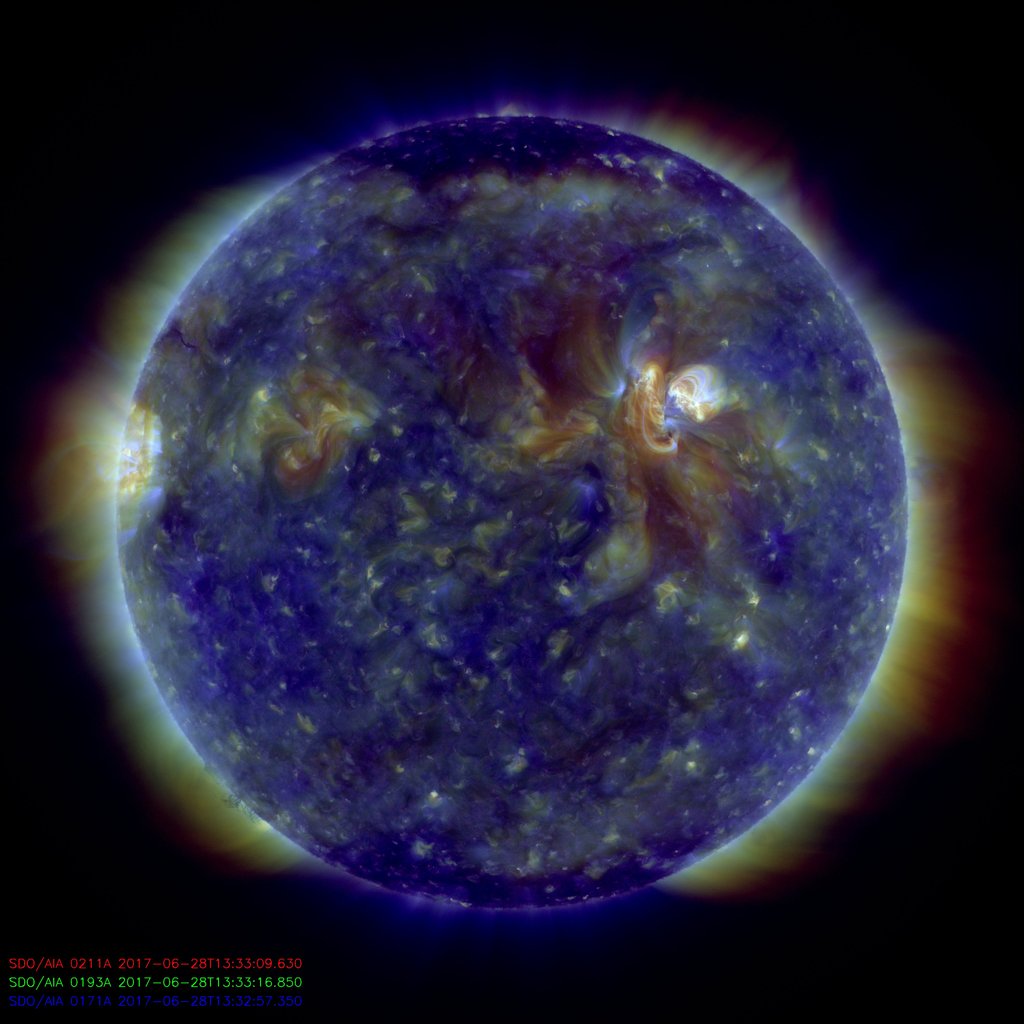
__________________
---------------------------------------- Asus Sabertooth Z77 i7 3770k@4.3GHz+ Noctua NH D14 cooler EVGA GTX 780 Superclocked+ACX cooler. 8GB G.Skill ripjaws DDR3-1600 Crucial M4 128GB SSD+Crucial M4 256GB SSD Seagate 750GB HDD CH Fighterstick+CH Pro pedals+Saitek X45 Win7 64bit 
|
|
#2
03-13-2012, 03:19 AM
|
|||
|
|||
|
Probably a bug. Have you tried turning it off and on again?

__________________
MoBo: Asus Sabertooth X58. CPU: Intel i7 950 Quad Core 3.06Ghz overclocked to 3.80Ghz. RAM: 12 GB Corsair DDR3 (1600).
GPU: XFX 6970 2GB. PSU: 1000W Corsair. SSD: 128 GB. HDD:1 TB SATA 2. OS: Win 7 Home Premium 64bit. Case: Antec Three Hundred. Monitor: 24" Samsung. Head tracking: TrackIR 5. Sore neck: See previous.
|
|
#3
03-13-2012, 03:27 AM
|
|||
|
|||
|
Quote:
 Damn good one. I just hope someone isn't doing just that. I was looking at the satelite images from time to time, but this huge "slice " darken out looks very strange. 
__________________
---------------------------------------- Asus Sabertooth Z77 i7 3770k@4.3GHz+ Noctua NH D14 cooler EVGA GTX 780 Superclocked+ACX cooler. 8GB G.Skill ripjaws DDR3-1600 Crucial M4 128GB SSD+Crucial M4 256GB SSD Seagate 750GB HDD CH Fighterstick+CH Pro pedals+Saitek X45 Win7 64bit
|
|
#4
03-13-2012, 05:17 AM
|
|||
|
|||
|
Quote:
Raaaid might be able to interpret it with luck.
|
|
#5
03-13-2012, 12:56 PM
|
|||
|
|||
|
I don't know what the dark shadow is? does it say on the NASA site or do they mention if there is any concern about it?
Stunning images though. I think the sort of time scale we are used to as Humans we'll not see much real change in the sun deteriorating during our whole existence as a species ... probably* obviously we will see periods of sunspots and solar flare activity from time to time, used to do some welding at an oil yard and someone said have a look at the sun through your welding visor, I had one of the darker shades of glass in use at the time and we could quite clearly see the sun spots that were active at the time ... this was a good way to observe the UK eclipse of 1999 as I recall too. One sun that is due to go pop soon (ish) and maybe in our lifetimes is Betelgeuse, that would be amazing to see. Interesting stuff.
|
|
#6
03-13-2012, 03:18 PM
|
||||
|
||||
|
We'd better stand by for an influx of Betelgeusian refugees.
__________________
Another home-built rig: AMD FX 8350, liquid-cooled. Asus Sabretooth 990FX Rev 2.0 , 16 GB Mushkin Redline (DDR3-PC12800), Enermax 1000W PSU, MSI R9-280X 3GB GDDR5 2 X 128GB OCZ Vertex SSD, 1 x64GB Corsair SSD, 1x 500GB WD HDD. CH Franken-Tripehound stick and throttle merged, CH Pro pedals. TrackIR 5 and Pro-clip. Windows 7 64bit Home Premium.
|
|
#8
03-13-2012, 03:32 PM
|
|||
|
|||
|
Quote:
 Of course Betelgeuse might have already gone Super Nova now or a long long time ago, we wont know until its light reaches us ... if our own sun could be turned off just like that this very second we would not know for about 8 minutes and 18 seconds. Love thinking about this stuff 
|
|
#9
03-13-2012, 04:07 PM
|
|||
|
|||
|
A similar thing happened in 2010.
Hole in the Sun Credit: NASA / Goddard / SDO AIA Team Explanation: This ominous, dark shape sprawling across the face of the Sun is a coronal hole -- a low density region extending above the surface where the solar magnetic field opens freely into interplanetary space. Studied extensively from space since the 1960s in ultraviolet and x-ray light, coronal holes are known to be the source of the high-speed solar wind, atoms and electrons which flow outward along the open magnetic field lines. During periods of low activity, coronal holes typically cover regions just above the Sun's poles. But this extensive coronal hole dominated the Sun's northern hemisphere earlier this week, captured here in extreme ultraviolet light by cameras onboard the Solar Dynamics Observatory. The solar wind streaming from this coronal hole triggered auroral displays on planet Earth.
|
|
#10
03-13-2012, 05:03 PM
|
||||
|
||||
|
Don't the images just show the sun under different spectrums rather than a cycle/ at different times?
Whatever they show it's very interesting, thanks for sharing.
__________________
 Quote:
Gigabyte X58A-UD5 | Intel i7 930 | Corsair H70 | ATI 5970 | 6GB Kingston DDR3 | Intel 160GB G2 | Win 7 Ultimate 64 Bit |
MONITOR: Acer S243HL. CASE: Thermaltake LEVEL 10. INPUTS: KG13 Warthog, Saitek Pedals, Track IR 4. Last edited by JG52Krupi; 03-13-2012 at 05:06 PM.
|
 |
| Thread Tools | |
| Display Modes | |
|
|


 Linear Mode

