
|
|
|
|
#1
 05-29-2011, 12:39 PM
|
|||
|
|||

Quote:
 This document shows that by May 1940 all fighter command squadrons had recieved 100 octane fuel. Bomber Command had to wai till 1941 to be fully converted  100 octane conversions 611 squadron - 21/3/40 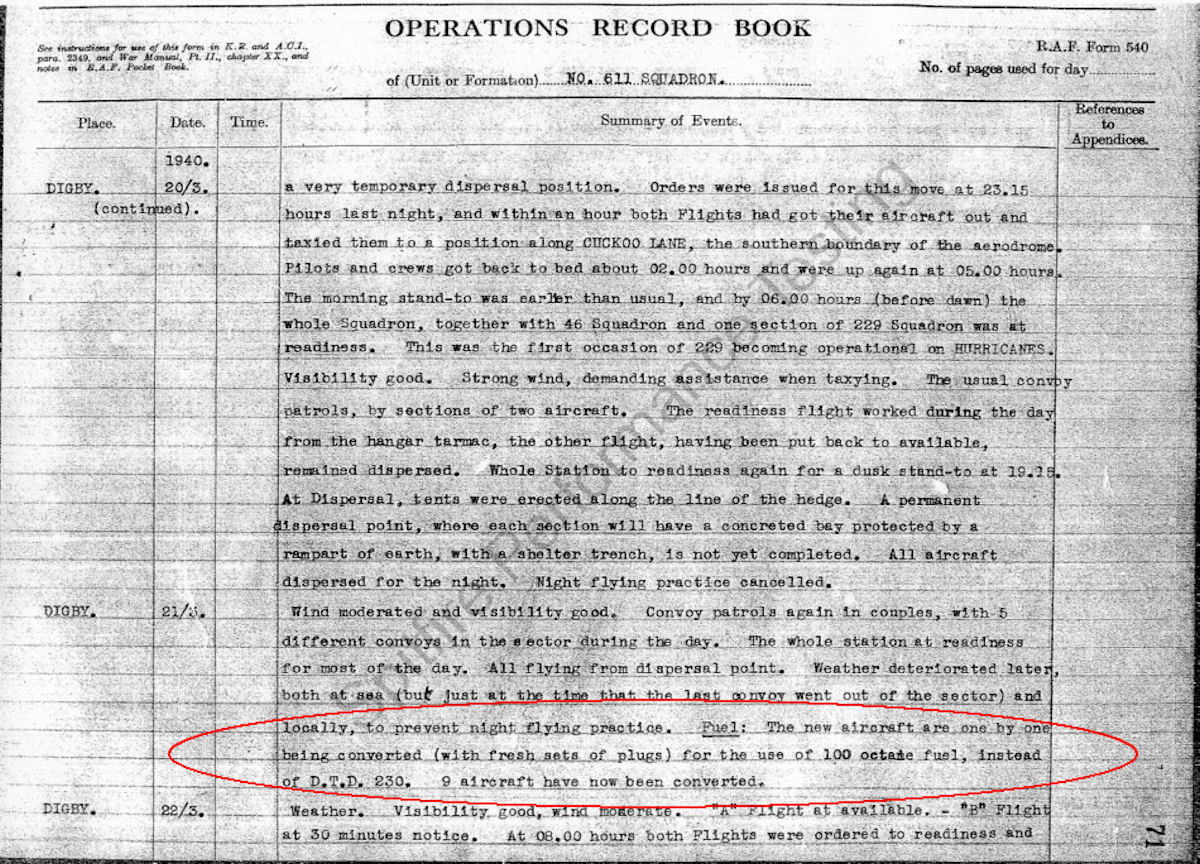 74 Squadron  602 Sqadron 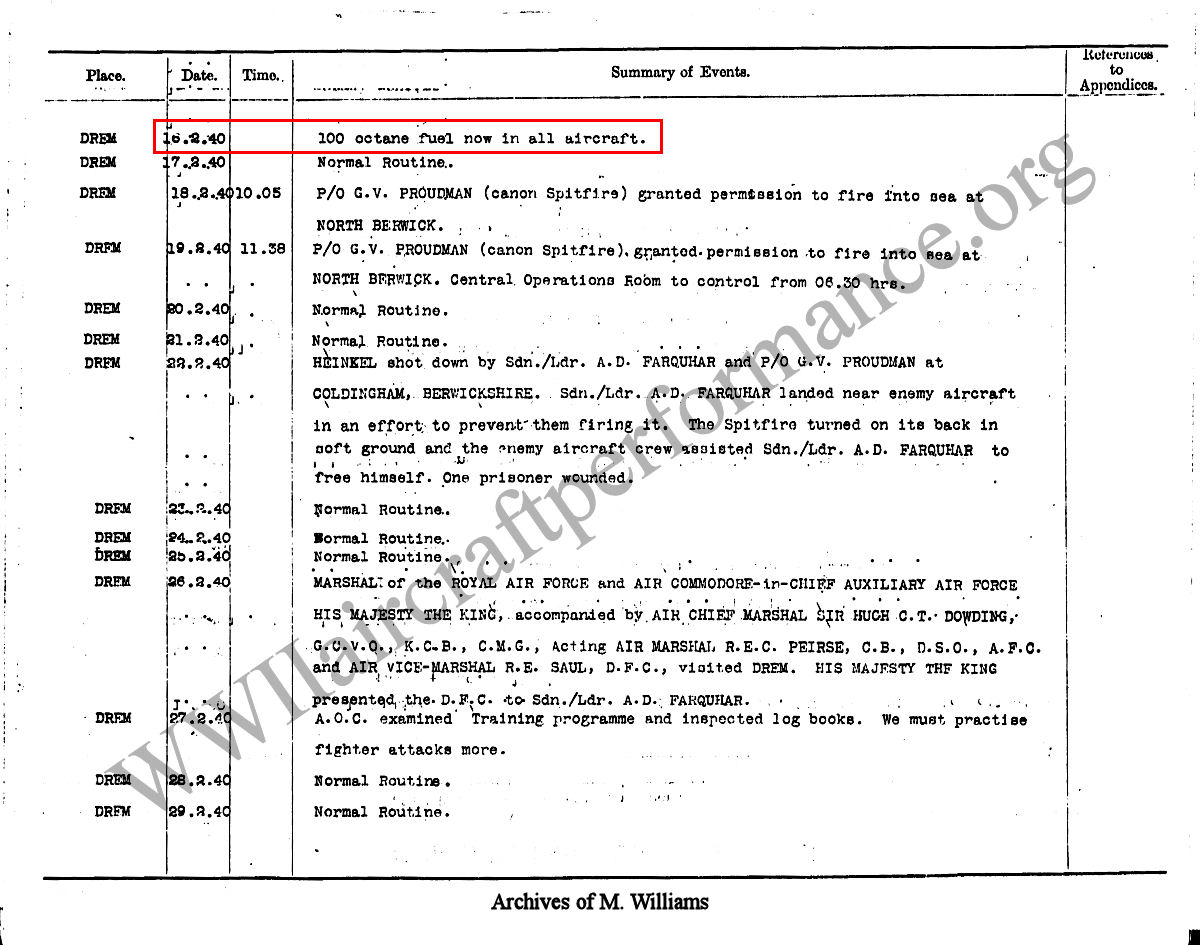 North Weald 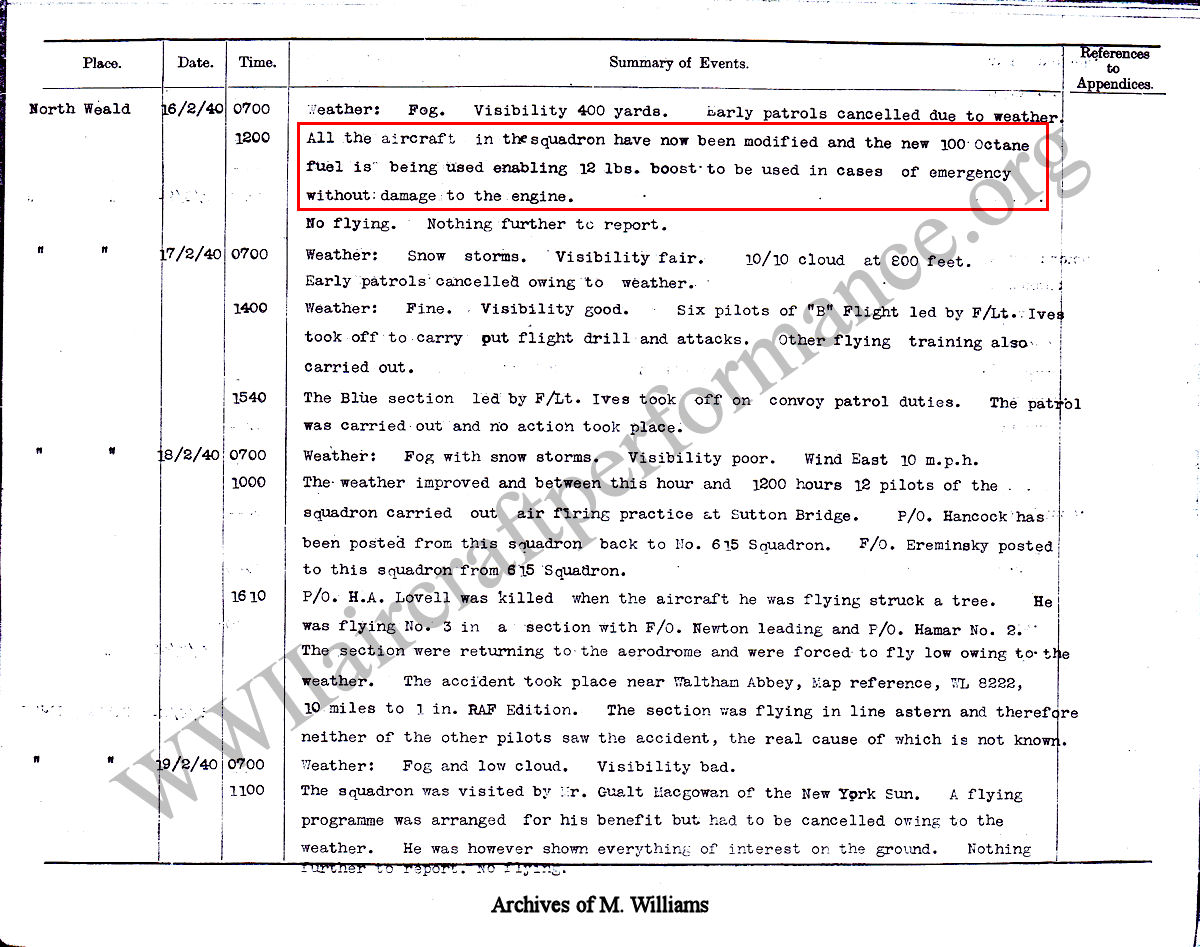 111 Squadron 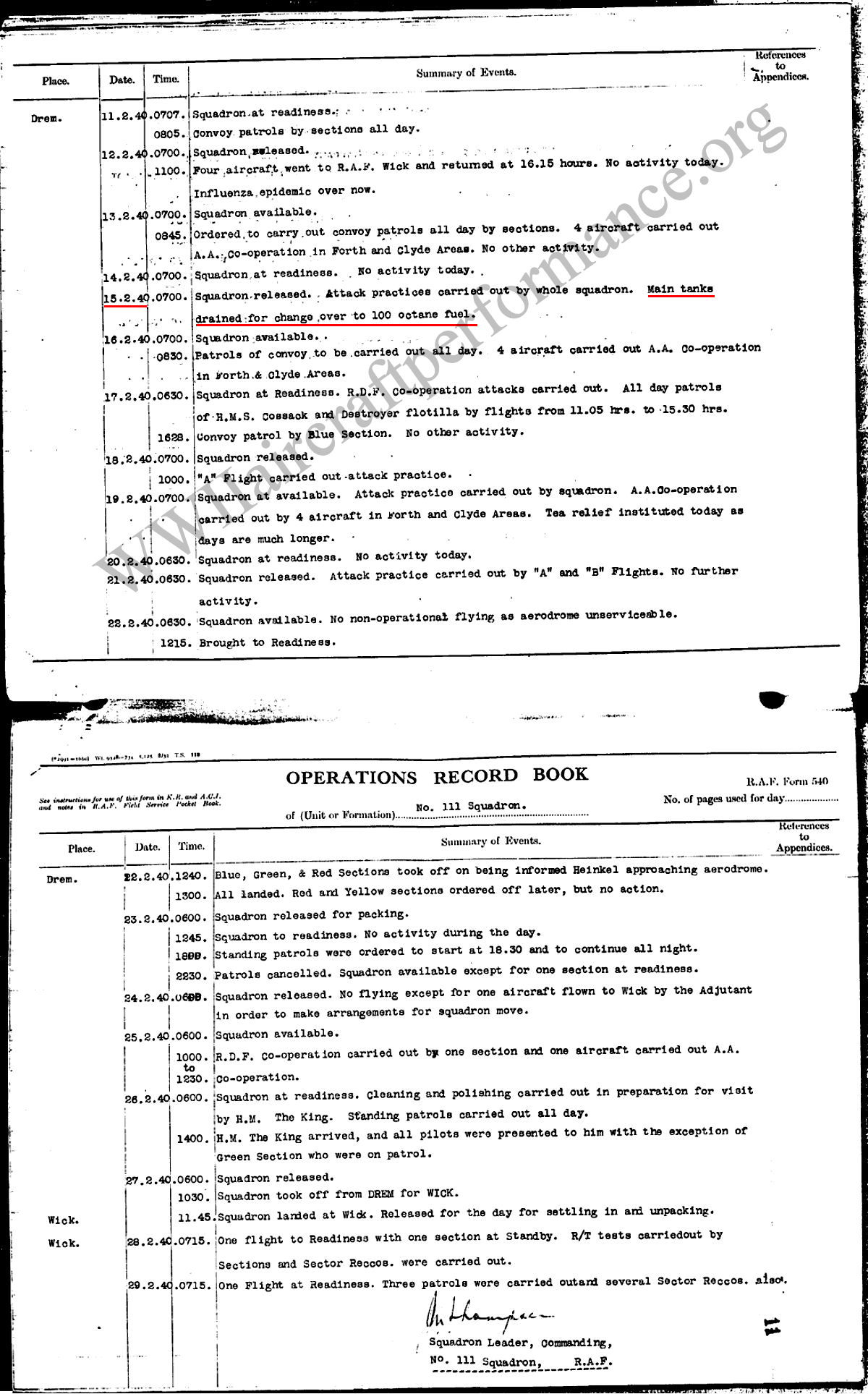 Al Deere using +12 over Dunkirk - May 1940 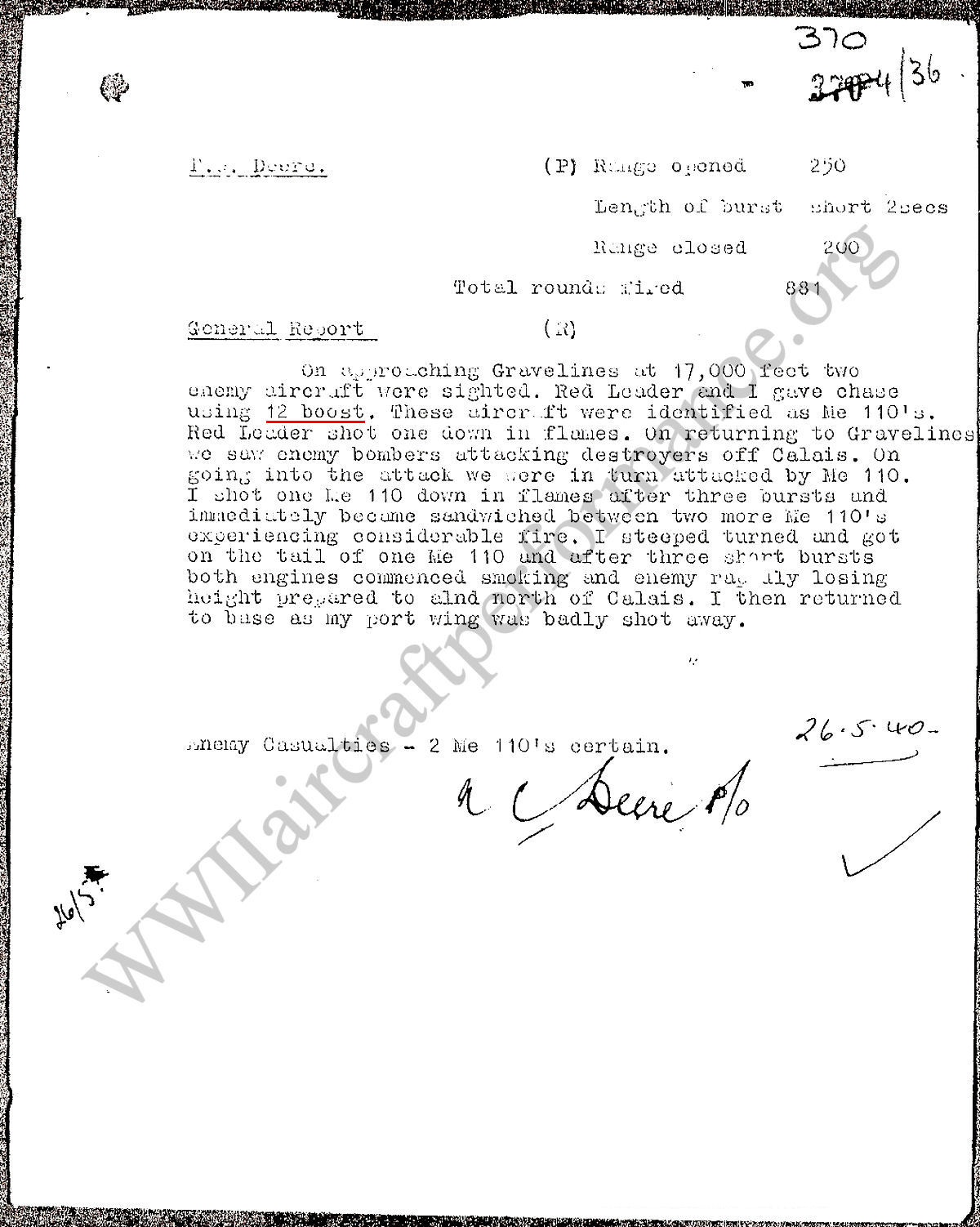 Order for 100 octane fuel in 1938 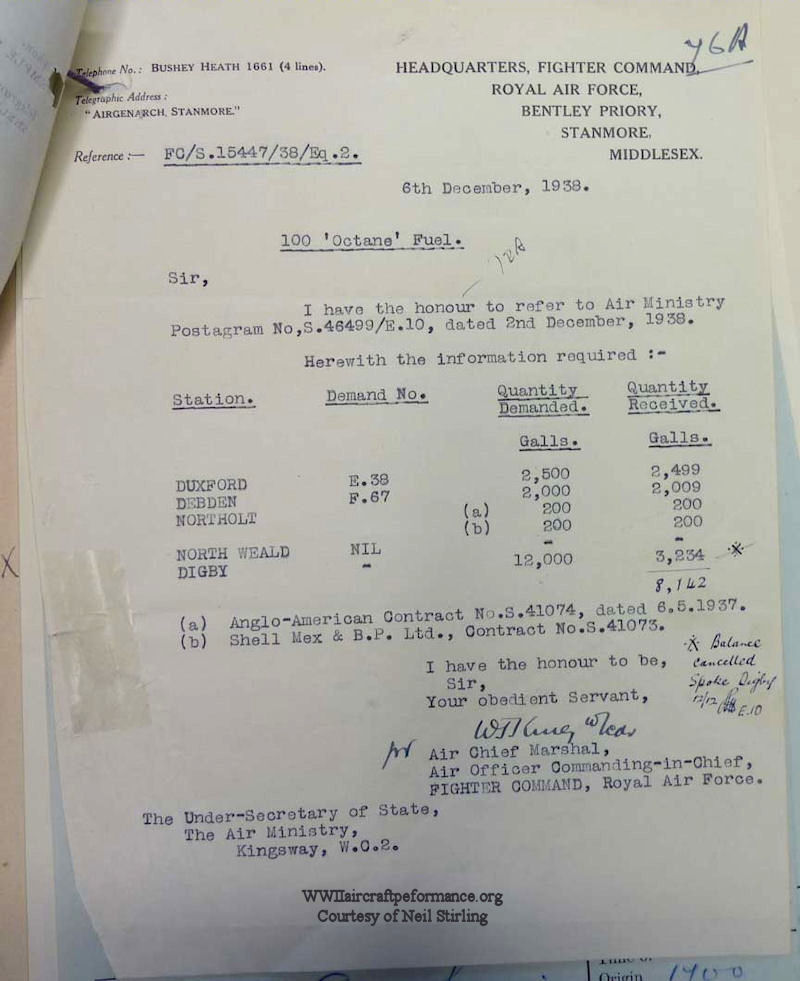 I've also looked for Combat reports from May - July 1940 that mention +12lb I counted 30 different squadrons that have combat reports from that time frame and used +12lb boost. The germans tested the Spitfire Mk1 with thier own fuel at Rechlin. This lead to slightly decreased performance and unreliable performance data. 
|
|
#4
05-29-2011, 01:27 PM
|
|||
|
|||
|
Quote:
The use of the automatic boost cut out control enables the pilot to get an emergency boost of + 12 lbs. per sq.in. from the engine for 5 minutes when circumstances demand it. Some pilots “pull the plug” with little excuse on every occasion. 
|
|
#5
05-29-2011, 01:26 PM
|
||||||
|
||||||
|
Quote:
Probably the same 16+2 Squadrons that were discussed earlier. And, if you read the preceeding documents, not just the ones you find on the site, you will notice that bomber units concerned (3 stations) had priority. Quote:
Quote:
Now as it goes a number of Stations were supplied with high octane fuel. The Squadrons stationed there could use it. But the Squadrons themselves continously rotated amongst stations, so its difficult to say how many Squadrons had access to it at a time. For example, No 41 Sqn was at Catterick in May, but transferred to Hornchurch on 28 May, then back to Catterick on 8 June, then again back to Hornchurch on the 25 July, then beck to Catterick again until 2 September, and then again Hornchurch. The others did the same, or even more chaotically. That makes things a bit difficult. If for example A station has 100 octane, B station doesn't, and we have X any Y Squadrons. Say X Sqn is at A station, reports +12 boost use. Then it transfers to B stations, and of course cannot report +12 boost use, because it doesn't have the fuel anymore at the Station. But Y takes it place at A station and also reports +12 boost use. It would seem that both X and Y Squadrons were using 100 octane during the period, whereas in reality only until they were at a given station. A while ago the Grunch collected the Stations we know from one source or another to have used 100 octane (ie. they physically had it). Quote:
Quote:
Besides the use of 100 octane fuel appears to be already covered by an Australian researcher. We had a discussion about it a good while ago on Butch2k's board. This is from a researcher, researching another subject (Dutch East Indies Fuel levels prior to the Japanese Invasion) at the Australian War Memorial Archives, from a document, copied to the Australian Military Commission in England in February 1941, by Roll Royce to Lord Beaverbrook outlining past, current and proposed changes to the Merlin; and factors that affect it's performance. It was a collection of lose-leaf typed pages, included as an addendum in a report titled Fuel Supplies to The British Empire And It's Commonwealth; Outlook, Ramifications and Projections For The Prosecution Of The War. The reason why it is included amongst AWM papers was because the Australian Government at that time was protesting vigoriously about the continued supply of lower grade 87 octane fuel when it too wanted 100 octane for the RAAF. McFarland, Pugh, Hart, Perret, Lumsden and even Churchill have all quoted parts from the report. "The first bulk shipment of 100 octane fuel had arrived in Britain in June 1939 from the Esso refinery in Aruba. This and subsequent tanker shipments from Aruba, Curacao and the USA were stockpiled while the RAF continued to operate on 87 octane petrol. Having secured what were considered reasonably sufficient quantities of 100 octane, Fighter Command began converting its engines to this standard in March 1940, allowing boost (manifold) pressures to be raised without the risk of detonation in the cylinders. This initial increase in maximum boost from 6 lb to 9 lb delivered a useful power growth of around 130hp at the rated altitude. By the time of the invasion of the Low Countries by Germany in May 1940 the RAF had converted approximately 25 % of it's total fighter force to 100 octane fuel use. The subsequent escalation in air activity and demands placed upon Fighter Command over the next two months put great strain on both the 100 octane fuel stockpiles and aircraft modified to use the fuel. Against the backdrop of total war the RAF found that it's reserves of 100 octane fuel was well below the level considered necessary for widespread use, for any sustained length of time. Two actions were immediately undertaken by the British War Cabinet in May to resolve the looming crisis. Firstly 87 octane fuel was deemed the primary fuel source to be used until further supplies could be discovered and delivered in sufficient quantities to allow the Merlin conversions to again take place. Those existing fighters already so converted (approximately 125) would continue to use what supplies of 100 octane were available, but all other fighters that had not been modified to continue with the use of 87 octane (of which there was more than adequate supply). The second action was for the British Government to contract the Shell Oil Refining Company to assist the British-controlled Iraqi Petroleum Company at Kirkuk to produce 100 octane fuel. This arrangement proved quite successful as production was quickly converted to 100 octane fuel. The first Middle East shipment of 100 octane fuel arrived in Portsmouth on 12th August, with a further two deliveries in September and four in October. Although too late to allow widespread conversion for the use of the fuel the deliveries did ensure that from this point on Britain would not be lacking in 100 octane fuel levels. With the newfound supply RAF Fighter Command again embarked upon a Merlin II and III conversion to 100 octane use from late September, finally achieving 100% conversion of it's fighter force by the end of November in 1940. The problem was that Britain was getting all of it's 100 octane from overseas imports, which meant that it had to be brought in by sea by tankers, which were sunked at the time in large number by U boats, mines and aircraft. From the start of the war up until the end of the Battle the subs etc. sank some 550 000 tons of Allied tanker tonnage alone, carrying some 400 000 tons worth of oil cargo. I have most them in my database, with time, cause of loss and cargo type. 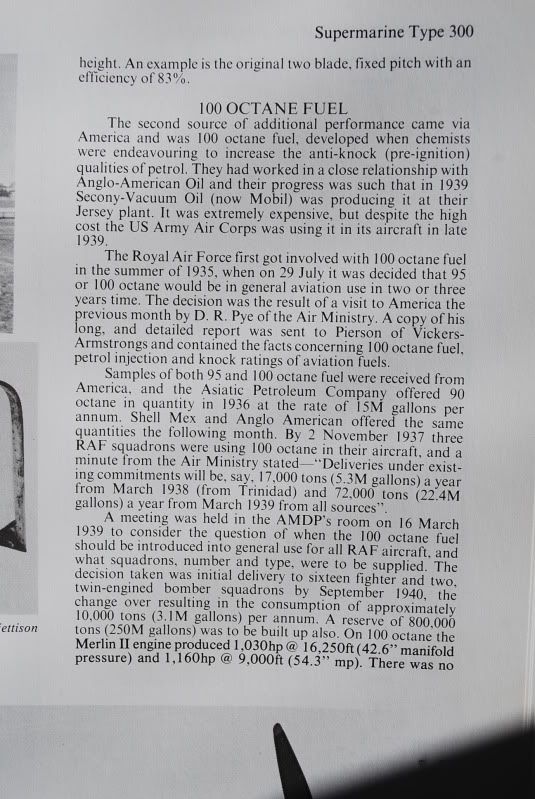 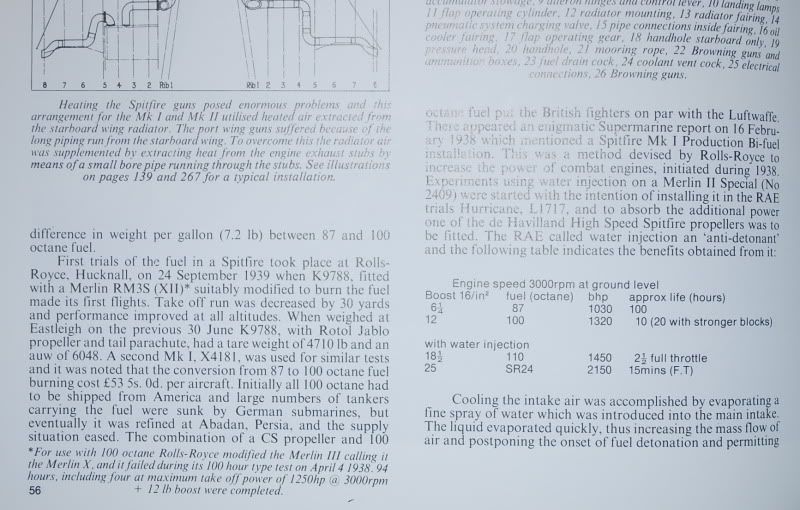 Quote:
Besides the Germans had access to captured British/French 100 octane (unimportant - it was all American import) which on occasion they even used in their own aircraft to add salt into the Dunkeque wound, and their own 100 octane fuel of course which I believe at this point was actually better than British 100 octane.
__________________
Il-2Bugtracker: Feature #200: Missing 100 octane subtypes of Bf 109E and Bf 110C http://www.il2bugtracker.com/issues/200 Il-2Bugtracker: Bug #415: Spitfire Mk I, Ia, and Mk II: Stability and Control http://www.il2bugtracker.com/issues/415 Kurfürst - Your resource site on Bf 109 performance! http://kurfurst.org 
|
|
#6
05-29-2011, 02:04 PM
|
|||
|
|||
|
Quote:
The RAF painted '100' on the engine cowling of converted Spitfires. Obviously they would only need to do this whilst there were 2 types of fuel being used at the same time to ensure the correct fuel was used. I can't find a picture any later than July 1940 where '100' is on there. If they got rid of that then that must mean the conversion was complete? Consumption of 100 octane fuel during the Battle of Britain was 58,000 tons I ton of fuel is just over 14 barrels, 35 gallons in a barrel. 1 ton of fuel = 490 gallons. That is 28 million gallons. So by your number of 125 converted aircraft that would mean average use per Aircraft of 227,000 gallons in 12 weeks. What? Where did it all go? Last edited by winny; 05-29-2011 at 02:14 PM.
|
|
#7
05-29-2011, 03:01 PM
|
||||
|
||||
|
Quote:
Plus, if one reads the documentation apart from the single page you supplied, it makes it clear that it names specific Bomber Stations, and that Bomber Stations have priority over specific Fighter Stations. It means something explictely different than "all frontline Spitfire and Hurricane units" which has to be stressed to be hoghwash and that it was made up, typically by the fans of the aircraft. There is no trace of anything like that in the available papers. 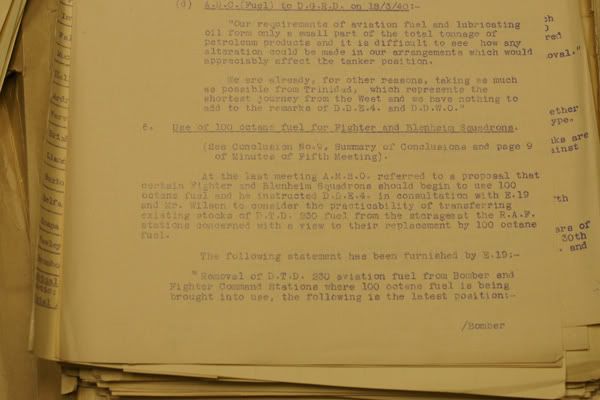 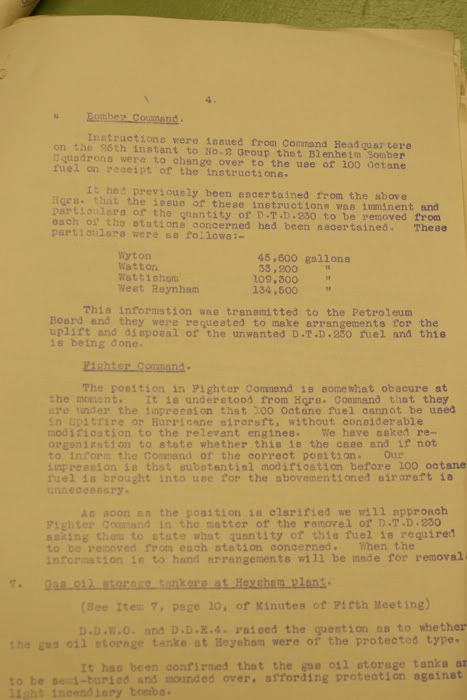 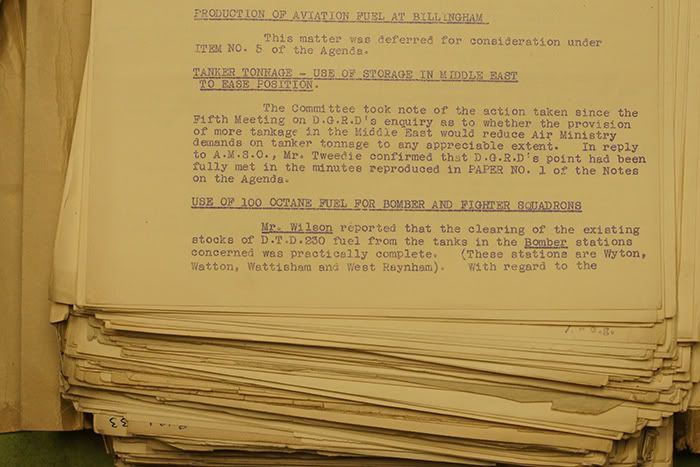 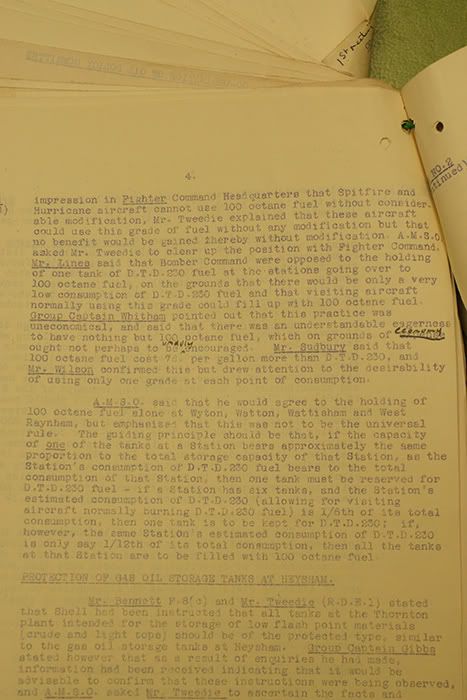 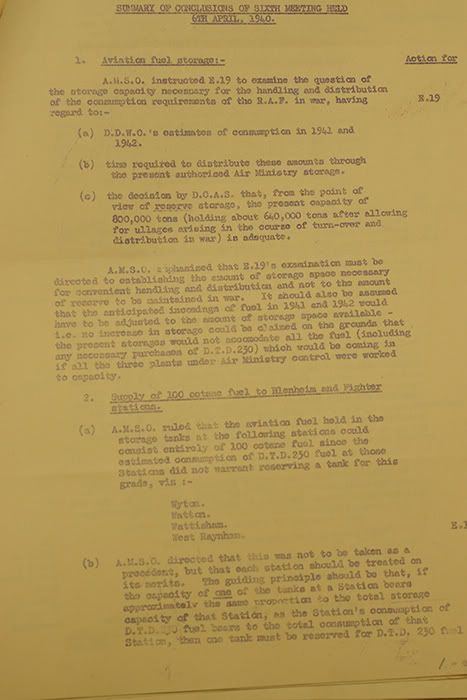 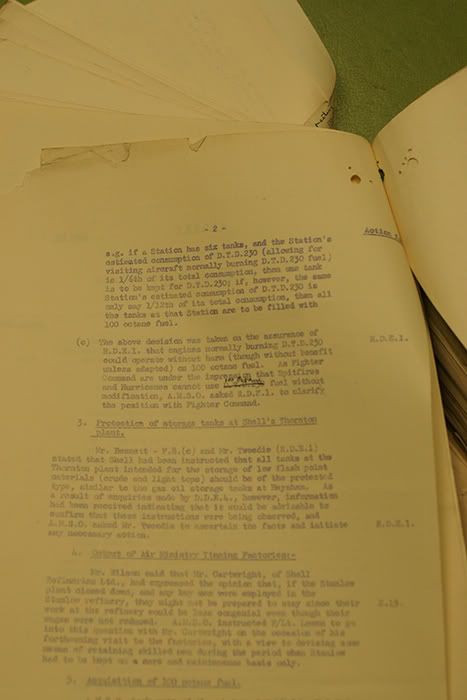 Hang on, you can just say something like 'I believe German 100 octane was better" without anything to support it. Double standards. Red Herring. I can, but its not the subject. Read some of the documents on my site. As a matter of fact, one of the driving forces behind British 100 octane import was the fact that the Germans, with their large synthetic capacity, were seen to be in a good position to produce 100 octane domestically. Quote:
I also do not intend to answer some of your other questions again, since I've already answered them. Please read them again. Quote:
Reminds me of this one, sorry for the pun. http://youtu.be/30x8VTCaOws Quote:
__________________
Il-2Bugtracker: Feature #200: Missing 100 octane subtypes of Bf 109E and Bf 110C http://www.il2bugtracker.com/issues/200 Il-2Bugtracker: Bug #415: Spitfire Mk I, Ia, and Mk II: Stability and Control http://www.il2bugtracker.com/issues/415 Kurfürst - Your resource site on Bf 109 performance! http://kurfurst.org
|
|
#8
05-29-2011, 03:49 PM
|
|||
|
|||
|
Quote:
Is this also oversimplified or assumption? No, it's fact. So I'll ask you again. How do you explain this? EDIT : I've noticed that the Gallons per ton figure I quoted is wrong, Sorry.. Like I said, I'm trying to be unbiased so it's only fair that I point out my own mistakes. I've since found a figure that 1 gallon of 100 octane weighed 7.2 lb. 2000 lb's in a ton so the usage for BoB was 161 million Gallons. (58,000 X 2000 / 7.2 = total gallons?) Last edited by winny; 05-29-2011 at 04:12 PM.
|
|
#9
05-29-2011, 04:08 PM
|
|||
|
|||
|
Quote:
Quote:
I suggest you to back up your earlier claims with something. So far you could not. Quote:
It is you who is changing his position all the time, not me. As far as it goes, you've made two positive claims a, All FC Sqns were using 100 octane fuel, and nothing else b, Rechlin trials did not use 100 octane fuel The burden of proof is on you. You could prove neither. Therefore, they are unproven, insufficiently supported by documentation which was my point. That of course does not mean that a considerably number of RAF fighters did not use 100 octane fuel - they did. The fanboyism part starts where somebody starts to ask for only the best variants to be represented, and start to claim something extreme that all the sudden the 'poorer' variants was not used at all.
__________________
Il-2Bugtracker: Feature #200: Missing 100 octane subtypes of Bf 109E and Bf 110C http://www.il2bugtracker.com/issues/200 Il-2Bugtracker: Bug #415: Spitfire Mk I, Ia, and Mk II: Stability and Control http://www.il2bugtracker.com/issues/415 Kurfürst - Your resource site on Bf 109 performance! http://kurfurst.org
|
|
#10
05-29-2011, 04:46 PM
|
|||
|
|||
|
Quote:
In fact I'm not even sure what you're main argument is. Can you sum it up?
|
 |
| Thread Tools | |
| Display Modes | |
|
|


 Hybrid Mode
